Collins Law Group is proud to announce that Attorney Caprice L. Collins has been named an Official Ambassador of Alzheimer’s Los Angeles (ALZLA).
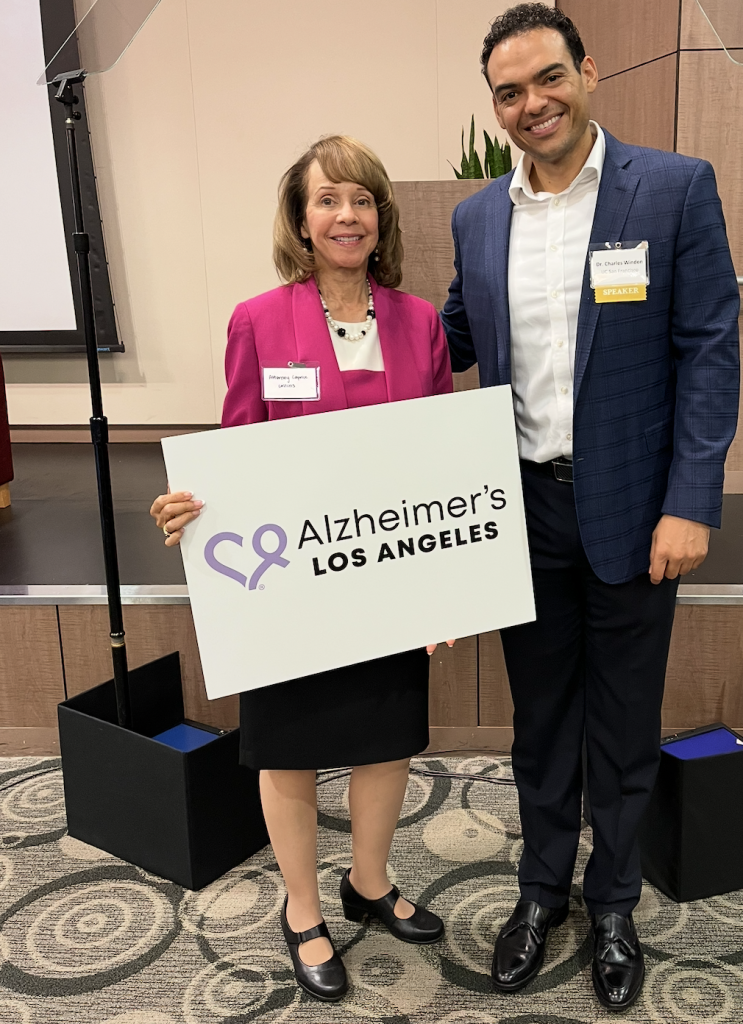
For more than 40 years, Attorney Collins has stood as a protector and champion for families across Greater Los Angeles, especially Black families—helping them safeguard their homes, avoid the crushing costs and delays of probate, and preserve generational wealth. This ambassador role formalizes a mission she has pursued for decades: protecting families not only under the law, but through compassion, clarity, and culturally competent guidance in the face of memory loss and caregiving challenges.
“Estate planning is love made visible,” said Attorney Collins. “When someone is navigating early memory changes—either in themselves or a loved one—the most generous act is to put the right documents, decisions, and support in place. I’m honored to partner with Alzheimer’s Los Angeles to expand outreach, education, and practical tools that keep our families safe.”
A Partnership With Purpose
As an Official Ambassador, Attorney Collins will collaborate with ALZLA to expand public education, host community conversations, and equip families with step-by-step planning that aligns health care, finances, and legacy. Drawing on her firm’s four decades of service, Collins will focus on the everyday realities families face—how to recognize early-stage symptoms, where to turn for help, and what legal and practical actions to take before a crisis hits.
This collaboration centers on three pillars:
- Early Awareness & Culturally Sensitive Education
Alzheimer’s and related dementias can present differently and are often under-recognized in communities of color. Attorney Collins will help families recognize early-stage signs—subtle memory lapses, missed bills, new confusion with time or place, repeating questions, difficulty managing finances or medications, changes in mood or judgment, or getting lost on familiar routes—and connect them to ALZLA’s free resources, caregiver training, and support groups. - Actionable Planning—Not Paperwork
Planning is not a binder on a shelf; it’s a living system. Collins will help families implement Advance Health Care Directives (including preferences around life-sustaining treatments such as feeding tubes), HIPAA authorizations, Powers of Attorney, and living trusts designed to avoid probate and streamline care decisions. Her emphasis: translate wishes into clear instructions caregivers can follow on the hardest days. - Wealth Protection for the Long Run
Within the African American community in Los Angeles, the family home is often the cornerstone of legacy. Probate can drain 5–10% (or more) of an estate through fees, delays, and court interventions—costs that compound when cognitive decline forces families to act under pressure. Collins’ approach ensures title, beneficiary designations, and trust funding are completed correctly, so the family home transfers smoothly, loved ones have immediate authority to act, and wealth stays where it belongs—in the family.
Why Early-Stage Planning Matters
Early-onset or early-stage dementia is not only a medical journey—it is a planning window. In these crucial months and years:
- The person living with dementia can speak for themselves—choosing their agents for health care and finances, defining quality-of-life preferences, and authorizing access to medical information.
- Families can organize assets—retitling the home into a properly drafted trust, aligning bank and retirement accounts, and eliminating probate exposure.
- Care teams can map support—from daily routines and medication lists to who drives to appointments, who handles bill-pay, and how passwords and accounts are documented.
Collins frequently underscores a hard truth families feel but rarely say: confusion is expensive. It fuels missed payments, frozen accounts, emergency court petitions, and conflict among relatives who are each trying to “help” without clear authority. With the right plan, authority is unmistakable, bills stay current, medical choices are honored, and the family avoids court.
Tools That Turn Good Intentions Into Outcomes
Attorney Collins’ education work highlights a suite of practical tools every family should consider:
- Advance Health Care Directive & HIPAA Release: Names the decision-maker and grants access to records—essential for coordinating care, second opinions, and specialists.
- Durable Power of Attorney: Ensures someone trusted can manage finances if the person becomes unable, avoiding the need for court conservatorship.
- Revocable Living Trust (properly funded): Avoids probate, provides continuity if incapacity occurs, and directs assets to heirs efficiently and privately.
- Letter of Instructions: A plain-English companion to the legal plan that captures the “how” of daily life—medications, doctors, insurance details, bill-pay cycles, digital access, preferred worship community, even personal messages and values that guide tough choices.
- Trustee & Agent Training: Families do better when fiduciaries know their roles in advance. Collins emphasizes walking trustees and agents through their duties before they’re needed.
Centering Los Angeles’ Black Families
For decades, Attorney Collins has designed seminars, workshops, and one-on-one counseling tailored to the specific challenges Black families face—from historical barriers to banking and title issues to misinformation about probate and myths that “a will is enough.” In ambassador work with ALZLA, she will continue to:
- Demystify probate with clear examples of cost, delay, and risk.
- Show the math of why trust-based planning prevents loss of wealth and control.
- Address caregiver burden by aligning legal permissions with practical realities—so the person who shows up to help can legally help.
- Bridge faith and family leadership—honoring elders’ wishes while protecting spouses, adult children, and grandchildren.
What Families Can Do This Month
- Notice and name the changes. If you see new forgetfulness, confusion with bills, or changes in judgment, write down examples and dates. This record helps doctors—and motivates timely planning.
- Choose your team. Decide who will speak for health and who will handle finances if you can’t. These may be the same person—or not.
- Get the core documents in place. Advance directive, HIPAA release, durable power of attorney, and a living trust that is funded (the home and key accounts retitled to the trust).
- Create a Letter of Instructions. List doctors, medications, insurance details, monthly bills (and how you pay them), digital access, and any preferences about treatments—including clarity around feeding tubes or other life-sustaining measures.
- Schedule a trust review. If you already have documents, confirm they reflect current wishes, current law, and current assets.
A Community Promise
Alzheimer’s Los Angeles has long provided free, local, and lifelong support for individuals and families living with dementia. As an Official Ambassador, Attorney Collins will extend that mission into living rooms, church halls, and neighborhood libraries across the city—meeting people where they are, answering hard questions with plain language, and pairing medical resources with rock-solid legal planning.
“Families deserve dignity, clarity, and control,” Collins added. “When we plan early, we reduce fear. We keep the family home in the family. And we make sure the person we love is cared for the way they would choose. That is the heart of this partnership.”

- The Family Compound Can Become a Family Trap - October 15, 2026
- The Great Wealth Transfer Can Still Become a Family Mistake - October 15, 2026
- The Inheritance Your Children Are Counting On May Not Be There - October 14, 2026
