Read time: ~4–5 minutes. (Celebrating Women’s History Month)
Los Angeles has a habit of forgetting the people who built it—especially the women, especially the women of color, especially the women whose power didn’t come from a microphone but from land, law, and nerve.
So for March—Women’s History Month—let’s say her name with full respect:
María Rita Valdez.
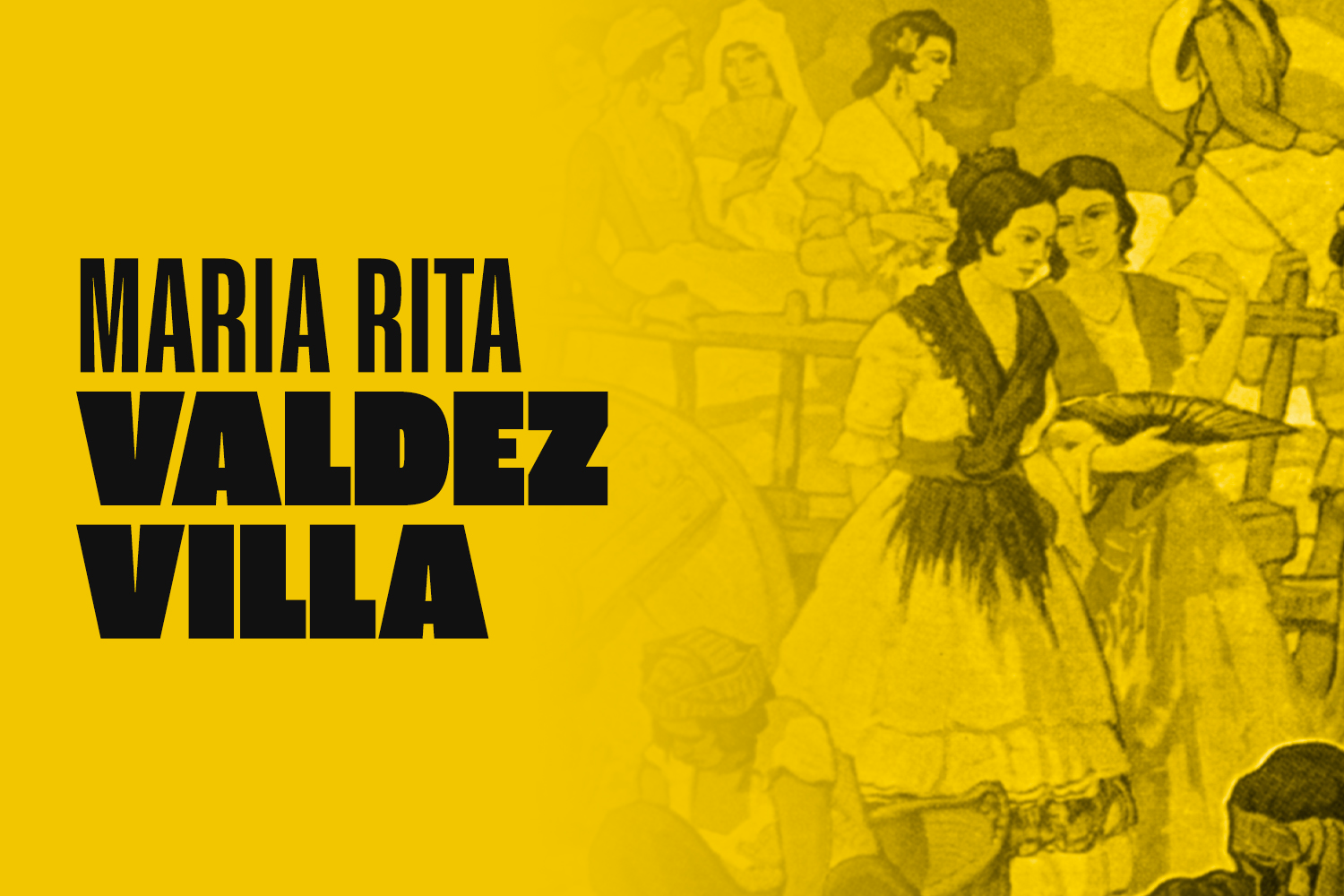
Before Beverly Hills was a brand, before it was a zip code people flex, before Rodeo Drive became shorthand for luxury, that land belonged to an Afro-Latina Californio rancher and farmer—a woman whose story still punches through time because it’s not just history.
It’s a lesson in how legacies are actually built—and how they’re lost when families don’t plan.
If you’re ready to turn “legacy” from a nice word into a real structure for your family, join our March 18th In-Person Wills, Living Trusts & Asset Protection Seminar (seating is LIMITED 🚨):
https://collinslawgroup.com/resources/webinar/
She wasn’t “connected.” She was the connection.
María Rita Valdez was born around 1791. Her family line runs straight into the origin story of Los Angeles—she was a descendant of Luis Quintero, one of the original settlers of the Pueblo of Los Angeles.
And she lived at the intersection of histories people like to keep separate: Afro-descended roots, Californio identity, and the early Mexican-era land system that decided who could own what.
Then comes the moment that should make every modern Angeleno sit up:
In 1838, María Rita Valdez was granted roughly 4,500 acres known as Rancho Rodeo de las Aguas—land that later became Beverly Hills.
Let that land math land. In a time when women were rarely granted formal property power, she held an enormous ranch, ran cattle operations, farmed, and built an adobe near what is now Sunset Boulevard and Alpine Drive.
This is not a “fun fact.” This is the backbone of the story:
She owned the future.
And she didn’t own it as a mascot. She owned it as an operator.
If you truly want the estate-planning fundamentals before you ever step into a room, start with the seminar On Demand (watch it tonight, then decide your next move):
https://zoom.us/rec/play/ib4JGJqmAR0OAewic1paUCjG-6d6oNz1QgABI4djgKALnmzLLSmtaoEIM_zLpgb7JTARVNqBW2aNLVCc.wBaUBbCpUN2Eu-OR?autoplay=true&startTime=1691504775000
Her legacy wasn’t “wealth.” It was control.
When you read about María Rita Valdez, the most striking detail isn’t the acreage. It’s what she represents:
A woman exercising legal ownership, running a working operation, employing labor, and shaping an entire region’s future—long before that region had a marketing department.
Accounts describe her running ranching, farming, and gardening operations from her adobe, and being known for hosting a yearly celebratory rodeo—remembered as taking place near what is now Pico and Robertson.
So why honor her in a conversation about wills, trusts, and protection?
Because María Rita Valdez is the perfect Women’s History Month reminder that legacy is not sentimental. It’s structural.
A legacy is not “what you meant.”
A legacy is what your plan forces to happen when you’re not there to explain yourself.
That’s the part families miss.
They think estate planning is about death.
It’s also about power: who has authority, who gets access, who can sell, who can’t, who’s protected from conflict, and who gets exposed to it.
If you’re in Los Angeles County, that question becomes immediate because the largest family asset is usually the home—and the home is where families either pass wealth forward… or watch it fracture under taxes, conflict, and court timelines.
For the “how do I protect the house and the people” blueprint, come in person on March 18th SEATING LIMITED! 🚨:
https://collinslawgroup.com/resources/webinar/
The modern lesson: land without a plan can still be lost.
María Rita Valdez eventually sold Rancho Rodeo de las Aguas in 1854 to Benjamin D. Wilson and Henry Hancock.
History moves. Ownership changes. Development arrives.
But for today’s families, the parallel is painfully modern:
Even when a family “has the house,” they can lose it because the plan is incomplete—because the title isn’t aligned, because a trust wasn’t funded, because beneficiaries are outdated, because no one knows who has authority, because siblings disagree, because the court becomes the referee.
That’s why honoring María Rita Valdez isn’t just about celebrating her. It’s about learning from her:
She used the legal tools available in her time to claim ownership and run her world.
You have tools too: trusts, powers of attorney, successor trustees, charitable planning, incapacity planning, and structures that reduce conflict and protect privacy.
And if you want your spouse or adult children to understand what those tools actually do—without turning dinner into a debate—watch the On Demand session together:
https://zoom.us/rec/play/ib4JGJqmAR0OAewic1paUCjG-6d6oNz1QgABI4djgKALnmzLLSmtaoEIM_zLpgb7JTARVNqBW2aNLVCc.wBaUBbCpUN2Eu-OR?autoplay=true&startTime=1691504775000
Women’s History Month takeaway
María Rita Valdez is a reminder that women have always been builders—of land, of law, of survival, of community.
But she’s also a reminder of the bigger truth:
If you don’t structure your legacy, someone else will.
A court. A creditor. A tax bill. A conflicted family member. A crisis.
So in March, we honor her the best way possible: not only by remembering her name, but by practicing what her life proves—ownership + planning = power that lasts.
If you’re ready to put that into action for your family, reserve your seat for March 18th now ( limited seating 🚨):
https://collinslawgroup.com/resources/webinar/

- The Family Compound Can Become a Family Trap - October 15, 2026
- The Great Wealth Transfer Can Still Become a Family Mistake - October 15, 2026
- The Inheritance Your Children Are Counting On May Not Be There - October 14, 2026
