(Estimated read time: 4 minutes)
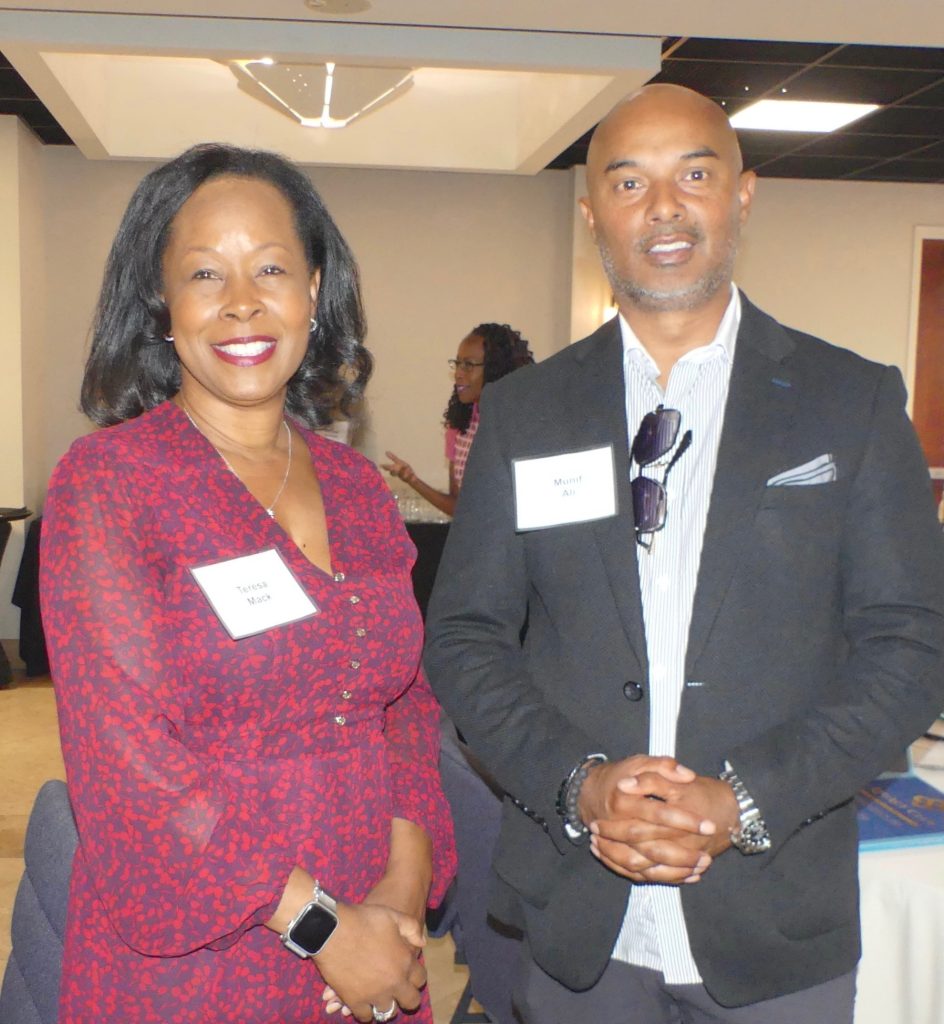
Teresa Mack and Munif Ali repositiion real estate strategy during their Legacy Club session which turned real estate from a “nice-to-have” into a core pillar of multigenerational wealth, showing exactly how ownership, tax law, and estate design lock together to protect a family’s future.
Market clarity, not guesswork. Teresa started where most people get lost: making the first (or next) purchase. She broke down a simple frame—cash flow first, appreciation second, management always—so every address is underwritten like a business.
Neighborhood selection wasn’t about hunches; it was data, rent rolls, and exit options. Her message: buy with the end in mind, title it correctly on day one, and your heirs inherit strategy, not stress.
Prop 19, decoded for real families. Munif then demystified one of California’s most misunderstood levers for wealth preservation: Proposition 19. Two big takeaways:
• Base-year value transfers: Homeowners 55+, those with disabilities, and wildfire/disaster victims can move their low property-tax base to a new primary residence anywhere in California, generally up to three times. If you’re “aging in place” in a too-big home out of fear of higher taxes, Prop 19 can be your on-ramp to the right house without a tax shock.
• Parent-to-child transfers changed: The old, broad exclusion is gone. Passing property to children (or qualifying grandchildren) is far more limited—typically to a primary residence or family farm, with continued owner-occupied use and a capped value benefit. Translation: if you plan to pass a rental or leave a home your heirs won’t occupy, you need a new playbook or you risk a painful reassessment.
Bottom line: Prop 19 rewards planning and punishes autopilot. Pair your real estate plan with your estate plan so tax, title, and use all point in the same direction.
1031 exchanges: keep the equity working. When it’s time to rebalance or scale, the duo laid out Section 1031 like-kind exchanges—selling investment property and deferring capital gains by rolling into a replacement. Know the clock (45 days to identify, 180 to close), choose the structure (delayed, reverse, build-to-suit), and avoid “boot” by engineering cash and debt before you list. Used wisely, 1031s are a compounding machine—trading up doors, improving cap rates, and concentrating into assets your trustee can manage smoothly.
Title it for inheritance, not inconvenience. Teresa and Munif connected real estate to legacy mechanics most investors overlook: hold personal residences and legacy rentals in a revocable living trust (coordinated with community-property considerations) to avoid probate, streamline successor control, and preserve step-up opportunities as the law allows. For complex families or vulnerable heirs, layer in beneficiary trusts (with spendthrift protections) so assets fund education, housing, or entrepreneurship over time—without disappearing in a single distribution.
Risk is a math problem. Insurance adequacy, entity hygiene, cash-reserve policy, and vendor bench strength—Teresa and Munif treat them as non-negotiables. Their stewardship lens was clear: what you own should feel lighter, not heavier, as the years pass.
Resilience in a fire-season reality. The recent Altadena and Palisades fires were a gut-check: risk isn’t theoretical in Southern California. The mandate from Pacific Playa Realty was simple—protect the asset, then protect the ownership of the asset. Start with right-sized insurance (replacement cost, code-upgrade/ordinance, extended dwelling, loss-of-rents or business interruption), harden properties (defensible space, retrofits), and keep vendor/contractor benches ready before disaster strikes.
On the asset-protection side, separate exposure with clean entity hygiene (LLCs for rentals, no commingling), and keep personal residences and legacy holdings titled in a properly funded revocable trust to avoid probate bottlenecks when rapid decisions are needed. Estate planning ties it together: successor trustees and agents under powers of attorney need immediate authority to file claims, direct repairs, and manage cash flow if you’re unreachable. Maintain off-site/digital backups of deeds, policies, photos, and rent rolls. The goal isn’t just surviving a fire—it’s preserving equity, income, and continuity so your legacy plan still performs under pressure.
Act on it—protect the equity and the legacy
- Audit your titles and beneficiaries. Do properties, accounts, and insurance point to the right trust and people? Misalignment now becomes heartache later.
- Run a Prop 19 and property-tax strategy check. If you’re 55+ or eyeing a move, calculate the base-year transfer before you decide. If you plan to leave property to children, test occupancy and value scenarios now.
- Evaluate your 1031 pipeline. Which assets underperform? Where could you trade into stronger cash flow with better management or geography?
- Strengthen asset protection. Confirm LLCs are maintained, insurance is adequate, and estate documents give real authority in an emergency.
For hands-on guidance, follow and connect with @pacificplayrealty ; Teresa Mack and Munif Ali are the rare operators who blend market mastery with mission.
If you’re serious about locking real estate into a broader legacy and wealth-protection plan, sit down with an estate-planning attorney to integrate your trust strategy, tax positioning, and succession mechanics.
Your family’s best protection isn’t a single tactic—it’s a coordinated system that endures.
Move from Insight to Action
If you’re ready to turn these strategies into a concrete plan—title clean-up, Prop 19 analysis, 1031 roadmap, and asset-protection alignment, connect direct with Teresa Mack and Munif Ali’s team at Pacific Playa Realty. Sit down with experts who blend market execution with legacy protection.
Schedule your strategy session now: https://pacificplayarealty.com/contact-us/.

- The Family Compound Can Become a Family Trap - October 15, 2026
- The Great Wealth Transfer Can Still Become a Family Mistake - October 15, 2026
- The Inheritance Your Children Are Counting On May Not Be There - October 14, 2026
