Estimated read time: 7–8 minutes
You don’t plan for a headline. You plan so your family never becomes one.
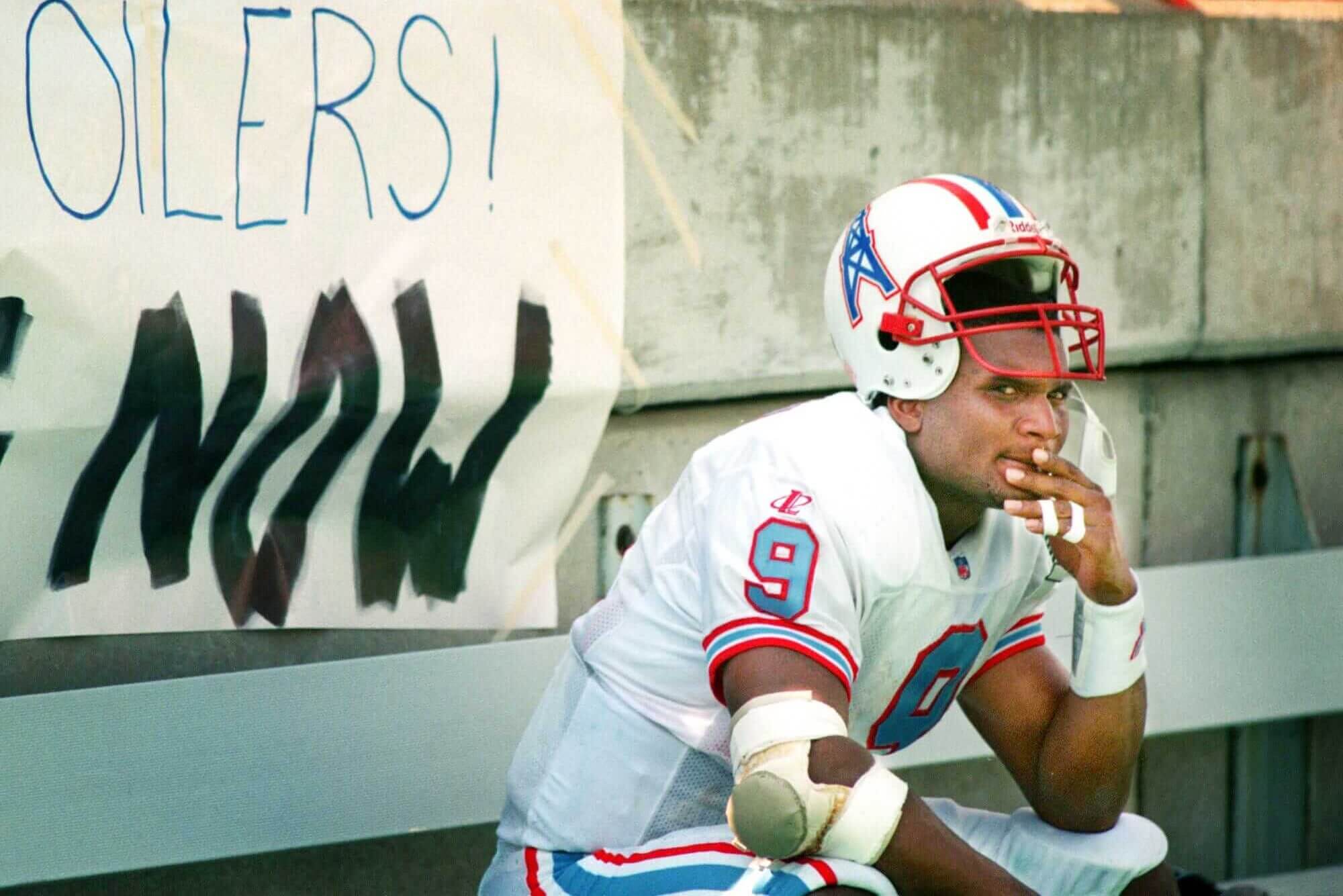
That’s the gut punch of former NFL quarterback Steve McNair’s story. When he was killed in 2009, there was no will. No trust. No roadmap. The result was a public, painful probate, heavy taxes, and family conflict that still makes people wince. You don’t need celebrity money to feel those consequences—any California family without a plan is one accident away from the same confusion.
If your plan feels unfinished—or non-existent—make this the moment you fix it. Join our live, in-person Wills, Living Trusts & Asset Protection Seminar on Wednesday, October 2 (Inglewood).
Save seats now:
https://collinslawgroup.com/resources/webinar/.
Why Estate Planning Isn’t Optional
Estate planning is not reserved for the wealthy or the elderly. It’s how you:
Decide who receives what, when, and how
Name who’s in charge when you’re gone or incapacitated
Minimize delays, costs, taxes, and conflict
Keep your family’s business private and out of court
Skip those steps and California’s default rules take over. A judge—bound by statute, not your values—decides who’s in charge and how assets move. That’s not a plan. That’s a gamble.
Want a no-nonsense checklist you can use the same day? We’ll hand you one on October 2.
Register here:
https://collinslawgroup.com/resources/webinar/.
The Steve McNair Estate Story—And the Lesson
McNair earned tens of millions in a storied NFL career. But when he died, there was no will or trust. Under intestacy, his widow had to seek court authority to act. Assets were frozen. Every decision had to filter through probate.
One chapter became especially wrenching: a Mississippi ranch McNair had built for his mother. She believed it was a gift. Title, however, remained in McNair’s name, which meant it legally belonged to the estate. The personal representative sought rent on the property; when payment wasn’t feasible, his mother had to leave the home she believed was hers. Another dispute followed over personal belongings removed from the ranch.
No villain. No bad faith. Just silence where a plan should have been—and a court trying to apply rules never meant for this kind of heartbreak.
Taxes compounded the pain. In 2009, the federal exemption was far lower than today; significant estate tax exposure followed. With basic tools—a revocable trust, coordinated titles and beneficiary designations, maybe advanced planning for high-value assets—most of that turmoil was avoidable.
California Families Face the Same Mechanics
If you live in Inglewood or anywhere in Los Angeles County, your probate runs through the L.A. County Superior Court. Probate is public. Inventories, accountings, distributions, available to anyone. Even a simple estate can take 9–18 months (or longer with disputes), and statutory fees are based on gross value, not net.
A revocable living trust changes that. Properly funded, it:
Moves assets without probate
Keeps administration private
Provides continuity if you become incapacitated (your successor trustee steps in immediately)
Lets you stage inheritances (helpful for minors, blended families, or beneficiaries who need guardrails)
Paired with a pour-over will, durable power of attorney, and advance health care directive, you’ve handled the big four: post-death distribution, incapacity, finances, and medical decisions.
Not sure your documents do what you think they do?
Bring questions—and even your deed or account statements—to October 2 and get straight answers:
https://collinslawgroup.com/resources/webinar/.
For Larger Estates: Don’t Let Taxes Write Your Story
For 2025, the federal estate tax exemption is $13.99 million per person (roughly $27.98 million for married couples). It’s scheduled to drop roughly in half after 2025 unless Congress acts. If the combined value of real estate, business interests, retirement accounts, and life insurance nudges that threshold, planning early matters.
Tools like credit-shelter trusts, lifetime gifting, and irrevocable life insurance trusts can soften or eliminate the hit. Even if your estate is well below the threshold, the probate system and family dynamics—not taxes—are the usual sources of damage. Fix those first.
The Five Decisions That Prevent 90% of Problems
Name the right person in charge. Choose an executor/successor trustee who is organized, calm, and fair—and list backups.
Own assets the right way. Retitle real estate and key accounts to your trust; coordinate beneficiary designations so they don’t contradict your plan.
Write what you really mean. Spell out gifts (especially sentimental items) and provide tiebreakers to avoid fights.
Protect the vulnerable. Use trusts for minors, special-needs beneficiaries, or loved ones who shouldn’t receive a lump sum.
Plan for incapacity. A durable power of attorney + advance health care directive = your voice when you can’t speak.
We’ll walk you through each decision—step by step—on October 2.
Seats go fast: Register Today!
https://collinslawgroup.com/resources/webinar/.
“But We Talked About It as a Family.” The Court Can’t Probate Conversations.
Verbal promises die in court. Memories differ. Emotions distort. If something matters, guardianship for kids, the house, the business, the church gift—write it. Put it in a legally valid document that actually controls how things move when you’re not here to referee.
And review it. Marriage, divorce, a new child, a move, a refinance—any of those can knock a well-built plan off balance. A 20-minute review every couple of years is the cheapest insurance you’ll ever buy.
What This Is Really About
You worked for that home. You built that business. You held a family together through hard seasons. That effort deserves an exit plan worthy of the life you’ve lived—one that spares your spouse impossible choices, protects your children from avoidable fights, and keeps your private life private.
Steve McNair’s legacy on the field is secure. Off the field, the absence of paperwork rewrote the ending. Your family doesn’t need to learn that lesson the hard way.
Choose clarity. Choose privacy. Choose peace.

- The Asset They Forgot - August 12, 2026
- Your Trust Can Be Perfect and Your Family Can Still Panic - June 10, 2026
- Father’s Day Wisdom: If You Can’t Speak, The System Speaks For You - June 8, 2026
