
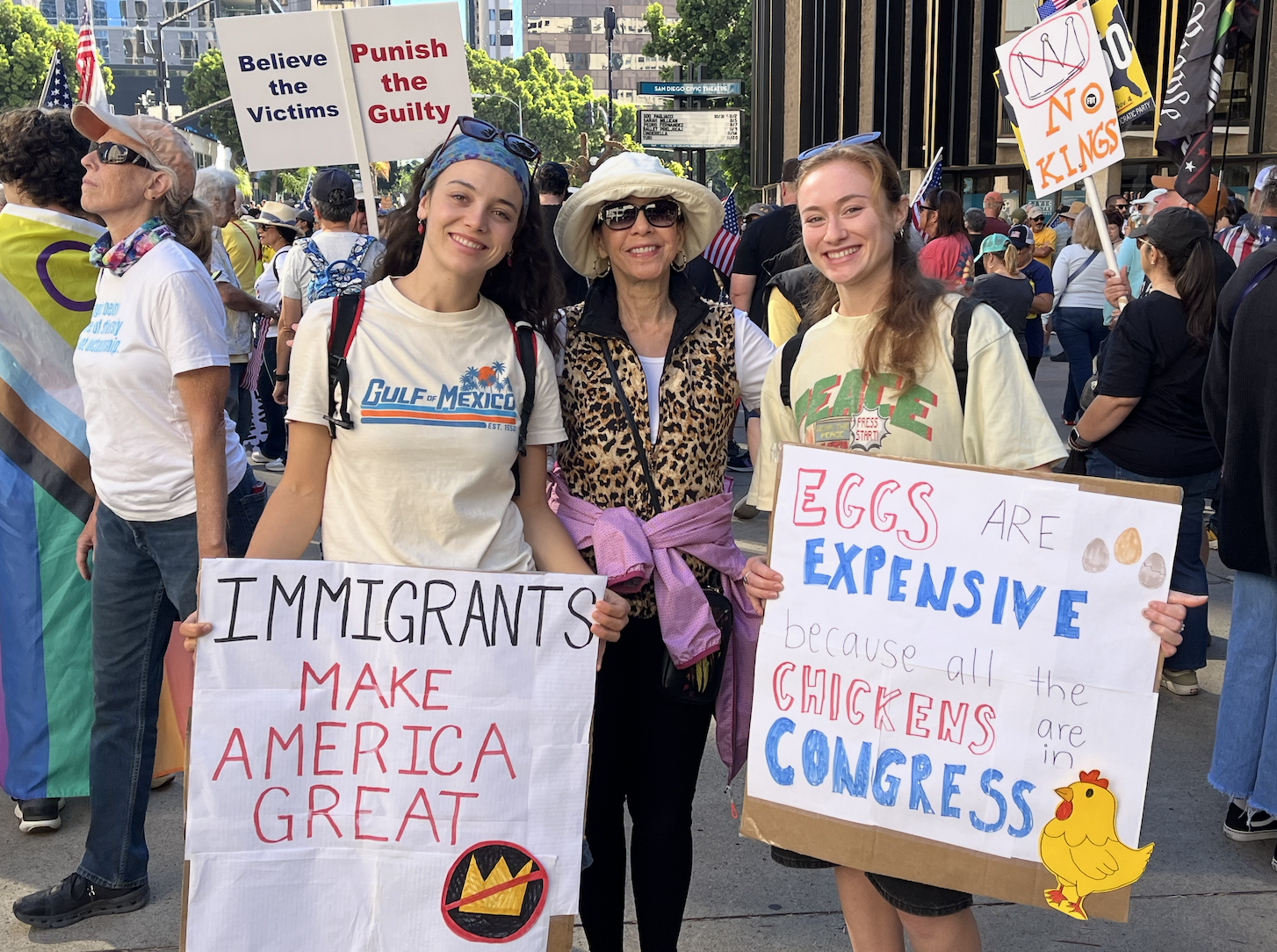
On Oct. 18, San Diego filled its streets with drumlines, homemade signs, and a simple message: we don’t do kings in America. The “No Kings” marches spanned downtown corridors and university blocks, drawing peaceful, carnival-bright crowds across the county. Local coverage captured a day that was notably orderly—festive costumes, families shoulder-to-shoulder, and no major incidents, as San Diegans joined a national wave of demonstrations.
It would be easy to file a day like that under “politics” and move on. Attorney Collins doesn’t. She sees a straight line from civic moments like Oct. 18 to the concrete realities that hit Los Angeles dinner tables: taxes due, inheritances delayed, homes at risk, and adult children trying to protect aging parents. And this year, the ground shifted in ways Angelenos cannot ignore.

The new backdrop: The “Big Beautiful Bill”
In July, Congress passed—and the President signed—the so-called “One Big Beautiful Bill Act,” a sweeping package of tax and budget provisions that reshapes planning for families, business owners, and heirs. Among the headline changes affecting estates: the federal gift, estate, and generation-skipping transfer (GST) exclusions are extended and increased long-term (to $15 million per individual and $30 million for married couples, indexed), fundamentally changing who faces a federal estate tax bill and how advisors design plans. Several 2017 tax-cut provisions that were set to sunset at the end of 2025 are now effectively made durable, shifting the planning calculus for high-net-worth households and closely held businesses.
Secure My Nov 1 Seat — Wills, Living Trusts & Asset Protection
You’ll learn how to avoid probate, protect the family home, and update your trust for today’s rules.
Secure My Seat — Nov 1 Seminar
Policy shops and legal analysts have already mapped the knock-on effects: with fewer estates crossing the federal threshold, more families will pivot from “estate-tax minimization” to “asset protection, income-tax, and basis-planning optimization”—especially in high-cost markets like Los Angeles. Think capital-gains exposure on appreciated real estate, step-up-in-basis strategy, and protecting rental or small-business equity from future creditors or long-term care shocks.

Why the march matters locally
So what does a democracy march in San Diego have to do with generational wealth in L.A.? In Attorney Collins’ view, everything. The march’s throughline was accountability—of leaders to law, and of citizens to their communities. Estate planning is accountability in private life: writing down who you trust, preserving what you’ve built, and making sure your values; not bureaucracy, decide what happens next.
And the timing matters. Many Angelenos now sit in a “planning gap”: their estates may no longer be federally taxable under the expanded exclusions, but their wealth is concentrated in primary homes, duplexes, rentals, or family businesses that live and die on paperwork details—beneficiary designations, successor trustee language, operating-agreement provisions, and how title is held. In L.A., one missing signature can derail a six-figure outcome.

Three takeaways Attorney Collins wants L.A. families to act on now
1) If your old plan was built to dodge a lower federal estate tax, it may be out of tune with today’s rules. Credit shelter formulas, outdated marital-trust provisions, and older life-insurance structures designed for a smaller exemption can now produce unnecessary complexity—or even higher income taxes for heirs. A post-OBBBA review can simplify, protect basis step-ups, and refocus your plan on asset protection and administration ease rather than a tax that may no longer apply to you.
2) Real estate needs its own playbook. In Los Angeles, wealth often lives in the parcel, not the portfolio. That calls for tight titling (trust-owned, not individually held), coordinated operating entities for rentals (LLC/FLP where appropriate), and trusts that clearly spell out who manages, who can sell or 1031-exchange, and how cash flow is used for care if a spouse gets sick. With exemptions higher, more families should chase basis (and step-up) strategy and lawsuit/firewall protection, not just estate-tax avoidance.
3) Administration beats aspiration. Plans fail in the handoff: no asset schedule, no funding, no beneficiary updates, no successor training. Attorney Collins’ team emphasizes “trust funding” checklists, consolidated statement reviews, and successor-trustee walk-throughs so the first phone call in a crisis isn’t to probate court. OBBBA doesn’t change the human facts: your executor and trustee need a map.
What Attorney Collins saw—and why it resonates
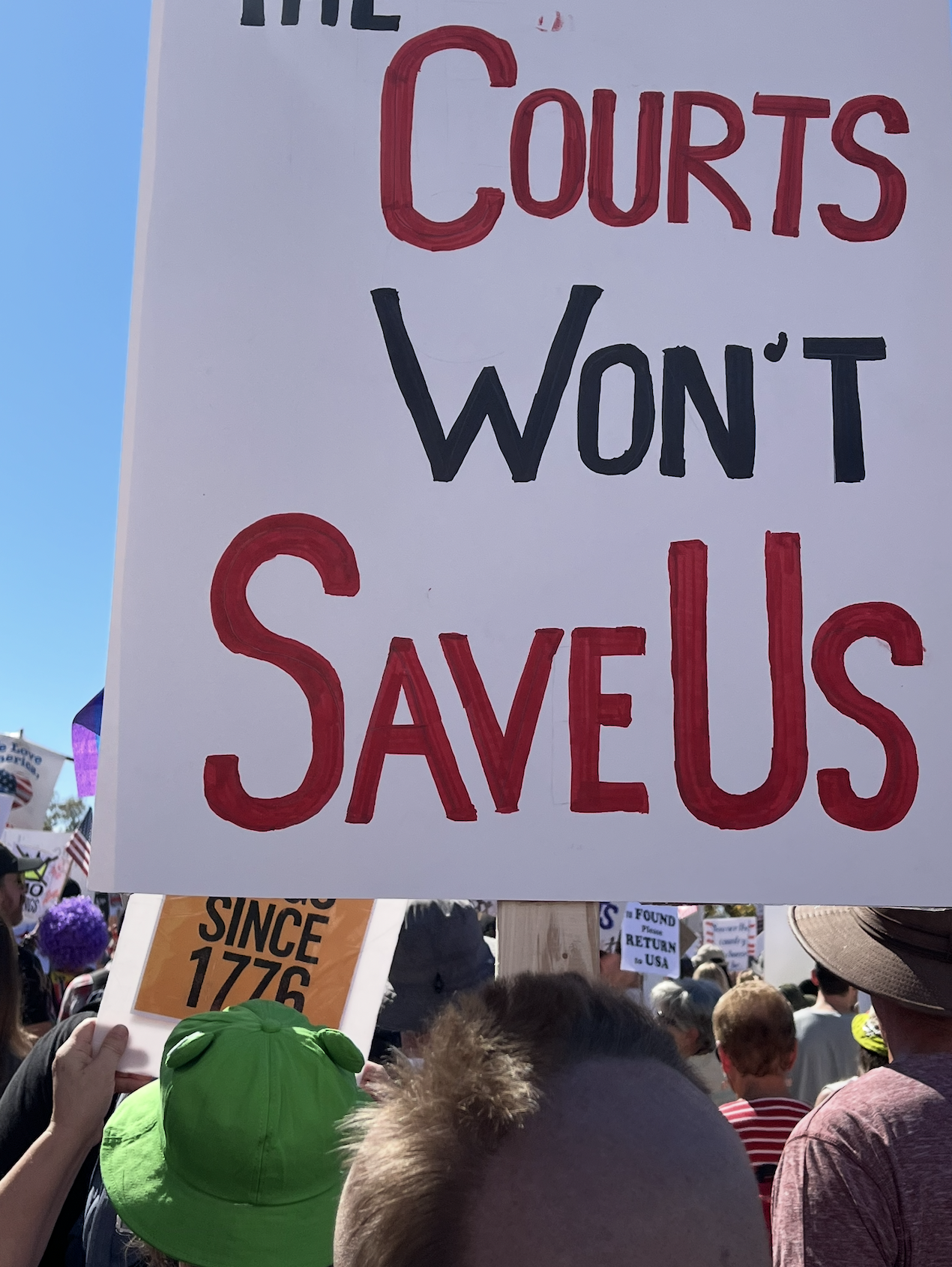
At the San Diego march, what stood out to Collins was the mix of people: students in raccoon costumes next to retirees in sun hats; small-business owners trading notes with teachers; veterans walking slowly, quietly. Peaceful, diverse, focused. That blend mirrors the clients who show up in her conference room: second-generation homeowners protecting Prop-19-squeezed family properties, entrepreneurs with LLC interest to pass, blended families seeking fairness, and elders determined not to be a burden. The march was about rules, responsibility, and the promise that the future is still ours to shape. Estate planning is how you keep that promise at home.
Audit your documents for the new tax era. If your revocable trust or will predates recent tax changes—or was drafted purely for old thresholds—get it reviewed. Many families can simplify structures, re-tune for step-up opportunities, and tighten disability and long-term-care instructions without sacrificing flexibility. (OBBBA’s durability makes “clean-up and simplify” a smart move for many households.)
Move real estate into the right containers—and prove it. Title must match the plan. That means recorded deeds to the trust, operating agreements that align with the trust for your rentals, and updated insurance and banking to reflect the correct owner. A plan that isn’t funded is a plan that fails.
Re-think beneficiary designations with income taxes in mind. Retirement accounts, life insurance, and TOD deeds can collide with trust instructions. Coordinate designations so trustees have the discretion to manage taxes, care costs, and creditor exposure—particularly for heirs who are business owners or medical professionals.
Train your successors. Collins often runs “Trustee 101” sessions: who to call first, how to gather assets, how to keep siblings aligned, when to hire a CPA, and how to document decisions. A two-hour rehearsal prevents a two-year probate.
Why now? Because the window is open—and uncertainty is back
Even supporters of the new law admit it’s sprawling. Analysts differ about how long certain provisions will last, what courts will do, and what a future Congress might unwind. Planning that leans on a single tax lever is brittle; planning that builds in administrative strength, asset protection, and family communication is resilient—regardless of who occupies Washington. The San Diego crowds showed a public appetite for rules and fairness. Good planning is how families create both inside their own walls.
GET YOUR SEAT NOW! Nov. 1: Learn it. Tailor it. Execute it. (Three clear ways to act)
1) Think it through (learn). Join Attorney Collins’ Nov. 1st in-person seminar: “Estate Planning & Asset Protection in the OBBBA Era”—a plain-English walk-through of the new tax landscape, real-estate titling essentials for L.A., and the step-by-step of updating your trust the right way. Seats go fast—reserve now.
2) Massage the plan (tailor). Bring your current documents and a simple asset list. During the Q&A, you’ll learn where the pressure points live—outdated formula clauses, unfunded trusts, mismatched beneficiary designations—and how to tune them for today’s rules. You’ll leave with a checklist you can start on Monday.
3) Make it real (execute). Book a complimentary follow-up to review your trust funding, title corrections, and successor-trustee “first-48-hours” playbook. Collins’ team will help you convert seminar notes into signatures, deeds, and updates—so your values, not red tape, make the decisions.
San Diego’s message was loud but not complicated: power should serve people, not the other way around. For Los Angeles families, the message lands at the kitchen table. The law is changing. Markets are moving. Families are evolving. The best time to lock in clarity is before you need it.
Reserve your seat for Nov. 1, bring your questions, and let Attorney Collins’ team help you protect the home, the business, and the people you love, thoughtfully, and by the book.

- The Asset They Forgot - August 12, 2026
- Your Trust Can Be Perfect and Your Family Can Still Panic - June 10, 2026
- Father’s Day Wisdom: If You Can’t Speak, The System Speaks For You - June 8, 2026
