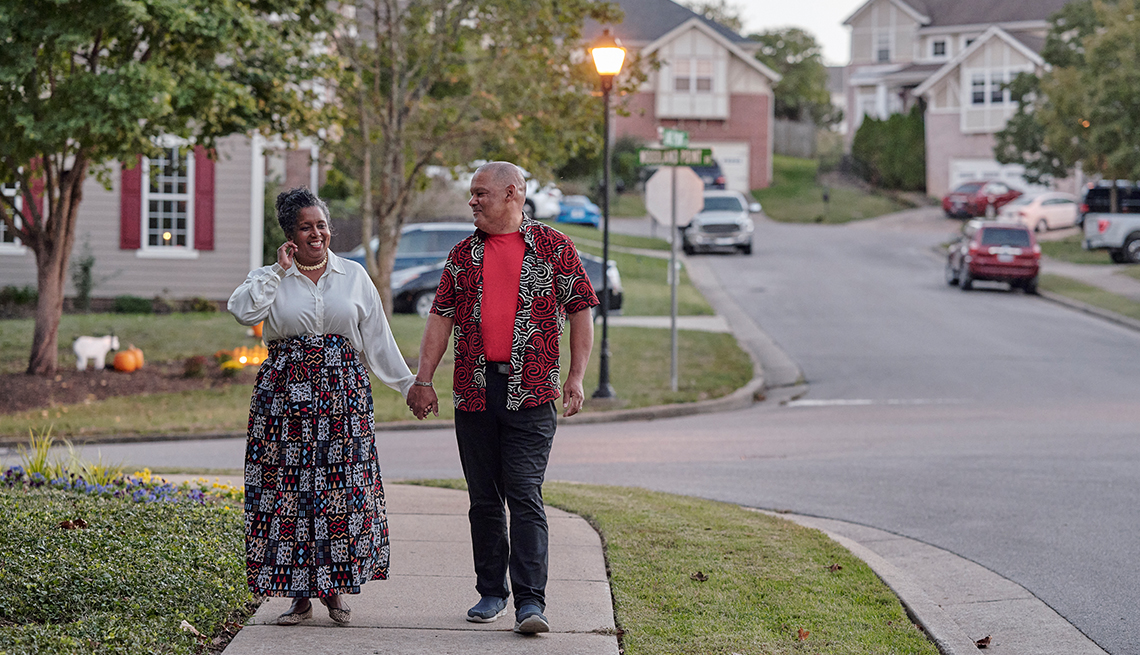
When Harold and Denise Carter set up their living trust in the early 2000s, they did everything “right.” They named a trustee. They spelled out who would receive the house, the rental property, and the savings. They thought their planning was done.
Twenty years later, Harold had passed, Denise’s health was declining, and the trustee they’d chosen—an old friend—had quietly stopped returning calls. The Carters’ daughter, Monique, was left in the dark about repairs on the rental, unpaid property taxes, and whether the trust was even being followed.
The problem wasn’t that the Carters didn’t care. They did. The problem was that their trust had no one watching the watcher. No one empowered to step in if the trustee went missing, got overwhelmed, or stopped acting in the family’s best interest.
That’s where a trust protector would have changed everything.
If you’ve ever wondered, “What happens if the person I name as trustee can’t—or doesn’t—do the job?” this is exactly the kind of issue we’ll unpack at our free In-Person Wills, Living Trusts & Asset Protection Seminar on Thursday,
November 13th at 10:00 AM at the Collins Law Group.
Reserve Your Seat Here
Trusts Are Powerful—But Life Is Messy
Creating a trust is one of the most powerful ways to manage and protect your assets for the people you care about. You choose a trustee. You decide how and when your beneficiaries receive funds. You give structure to your legacy.
But even the best-drafted trust can’t see the future.
Trustees age.
Families shift.
Laws change.
Beneficiaries hit rough patches—health crises, divorces, addiction, or financial trouble.
A trust might last for decades or even generations. That’s a long time for things to go sideways. A trust protector is the person (or entity) you name to stand watch—to make sure the trust you signed in your 50s still honors the values you held in your 70s, 80s, and beyond.
Think of it this way:
The trustee manages the day-to-day.
The trust protector makes sure the whole structure still reflects your intentions.
What a Trust Protector Actually Does
A trust protector is appointed in the trust document itself. They don’t handle the checkbook or pay the bills—that’s the trustee’s job. Instead, they hold special powers that can be used if something goes wrong or needs to evolve.
Depending on how your attorney drafts it, a trust protector might be able to:
Remove or replace a trustee who isn’t acting properly or has gone “off the grid.”
Resolve disputes between a trustee and beneficiaries before they explode into lawsuits.
Update trust provisions when tax or estate laws change.
Approve (or veto) major trustee decisions.
Clarify confusing or outdated trust language so your intentions stay clear.
In real life, this might look like:
A trustee who refuses reasonable distributions to a child going through a medical crisis—
the trust protector can step in and correct course.A long-term trustee who starts showing signs of cognitive decline—
the trust protector can remove them and appoint someone more capable.A change in law that makes your trust less tax-efficient—
the trust protector can authorize an amendment or adjustment.
Without this role, families often have only one option: hire lawyers, go to court, and fight.
At our November 13th seminar, Attorney Collins will walk through how modern California trusts can build in trust protectors so your plan has flexibility and protection baked in from the start—not added after a crisis.
Click Here to Register for the November 13th Seminar
Choosing the Right Guardian for Your Trust
Who should serve as trust protector?
The role demands judgment, neutrality, and courage. This should be someone (or a professional entity) who:
Understands your values and the purpose behind the trust
Is willing to act when something is wrong—even if it’s uncomfortable
Is independent of the trustee and beneficiaries, so they can stay objective
Some families choose a long-time advisor or attorney who knows their history. Others prefer a professional fiduciary or institutional option that can outlast any one person and stay neutral between siblings, former spouses, or blended families.
What matters most is that the trust protector has the power—and the backbone—to protect your intent when you’re not here to explain it.
Real Situations Where a Trust Protector Makes the Difference
At Collins Law Group, we’ve seen how a trust protector can stop a slow-motion disaster:
The silent trustee: After a parent’s death, the trustee stopped sending information and delayed distributions for years. With a trust protector in place, the family didn’t have to sue; the protector simply removed the trustee and appointed a new one.
The struggling beneficiary: A son inherited through a long-term trust but later developed addiction issues. The trust protector helped adjust how distributions were made so that support continued—without enabling self-destruction.
The next generation: A trust written for children didn’t fully account for grandchildren. As the family grew, the trust protector was able to authorize changes that reflected the new reality—without dragging everyone into court.
These aren’t rare edge cases. They’re exactly the kind of human complications that show up when a trust lives longer than the person who created it.
California Law and Planning Ahead
The good news: California law recognizes trust protectors. Modern, well-crafted trusts increasingly include this role—and judges understand it.
But there’s a catch:
The trust document has to be drafted correctly. The protector’s powers must be clearly stated, their limitations defined, and the process for acting spelled out. This isn’t a fill-in-the-blank job.
A skilled estate planning attorney will:
Design the trust protector role so it’s legally enforceable
Tailor their powers to your family’s needs and risk points
Make sure the trust protector can act fast if something goes wrong
And this is crucial: a trust protector is best built in from the start. Adding one later can be complex, costly, and may require court involvement.
Final Thought: Don’t Leave Your Trust Unguarded
A trust is a powerful planning tool—but even the strongest plan can drift off course if no one’s watching. A trust protector adds a layer of wisdom, flexibility, and accountability over time.
It’s one more way to say:
“My wishes matter. My family’s safety matters. Even when I’m gone, there is someone making sure this plan still reflects who I am.”
❤️ If you already have a trust and you’re not sure whether it includes a trust protector—or you’re starting from scratch and want to build in these protections the right way—our November 13th In-Person Seminar at the Collins Law group is a powerful first step.
You’ll learn how trustees, trust protectors, and beneficiaries all fit together in a modern California plan.
Save Your Spot for November 13th

- The Asset They Forgot - August 12, 2026
- Your Trust Can Be Perfect and Your Family Can Still Panic - June 10, 2026
- Father’s Day Wisdom: If You Can’t Speak, The System Speaks For You - June 8, 2026
