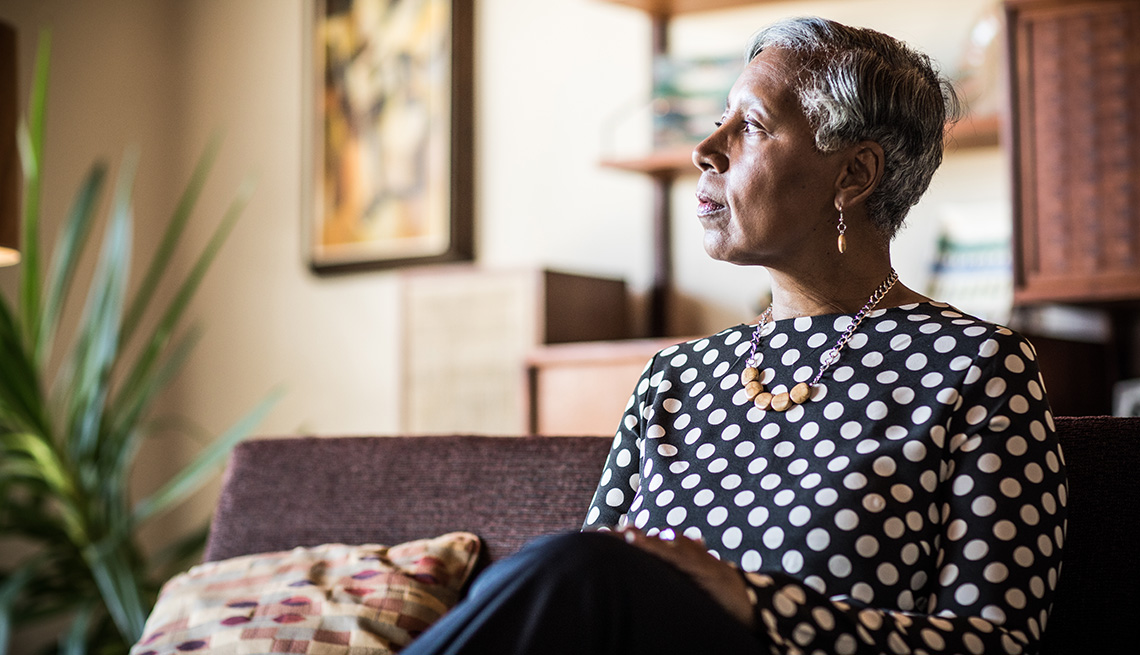
On a Tuesday night in Inglewood, Nia sat on the edge of her son’s bed and listened to him breathe—slow, steady, safe. That breathing was her whole religion.
Her son, Malik, is 27. He’s funny. He’s bright in a way that doesn’t always translate to paperwork. He can tell you every line from his favorite movie, but a simple appointment can feel like climbing a wall with no handholds. For years, Nia built her life around one quiet promise: When I’m gone, he will still be okay.
So when her sister said, “Just leave Malik your savings,” it sounded like love. It sounded obvious.
It wasn’t.
Because in California, the benefits that keep many people with disabilities stable—Medi-Cal and Supplemental Security Income (SSI)—often come with rules that punish well-meaning gifts. SSI, for example, limits countable resources to $2,000 for an individual (and $3,000 for a couple). That means one inheritance check can flip a life from “covered” to “cut off.”
And “cut off” doesn’t mean inconvenience. It can mean medications. Housing. Care. Services. Continuity.
That’s why the families who live this reality don’t talk about “estate planning” like it’s a luxury. They talk about it like it’s oxygen.
If you want this explained in human language—without fear, without fluff—Nia bookmarked the details for Collins Law Group’s first seminar of 2026 and sent it to her brother with a simple “We should go.” It’s here:
Our First Seminar of 2026: LIMITED SEATS 🚨
January Collins Law Group seminar:
https://collinslawgroup.com/resources/webinar//
(The people in this article reflect real LA scenarios; names/details changed to protect privacy.)
Why “I’m leaving you money” can become a crisis
People outside this world assume money fixes problems. Families inside this world know money can create them.
SSI and related programs treat certain assets as “countable.” Go over the limit, and eligibility can collapse. Social Security+1 Sometimes families learn this at the worst moment—after a death, while grieving, while trying to keep a loved one regulated and safe.
Nia didn’t fear death the way most people do. She feared the aftershock: Malik losing what keeps him stable because his mom tried to take care of him.
And even though California changed Medi-Cal rules so that assets stopped counting for many Medi-Cal eligibility determinations starting January 1, 2024, SSI did not loosen its grip. DHCS+1 (And advocates warn that an asset limit may return for certain Medi-Cal programs starting January 1, 2026, which makes long-term planning even more important.) Justice in Aging
So the real question becomes:
How do you support your loved one without accidentally disqualifying them?
The solution families lean on: a Supplemental Needs Trust
A Supplemental Needs Trust (also called a Special Needs Trust) exists for one reason: it lets someone with disabilities benefit from resources without owning them outright, so benefits like SSI and Medi-Cal don’t treat that money as “theirs.”
The trust holds the assets. A trustee manages them. The beneficiary gets support for life—without a benefits trainwreck.
When done correctly, federal and state rules treat certain special needs trusts as an exception to counting trust assets for SSI purposes. Social Security Administration California DHCS also explains that special needs trusts used for Medi-Cal purposes must include specific provisions, including notice and payback requirements in certain cases. DHCS
This is the difference between:
“Here’s money, good luck,” and
“Here’s a system that keeps you safe.”
Nia brought the question that’s haunted her for years—What happens if I die?—to the same page you can pull up right now:
Our First Seminar of 2026: LIMITED SEATS 🚨
January Collins Law Group seminar:
https://collinslawgroup.com/resources/webinar//
What the trust actually pays for (the “real life” list)
A Supplemental Needs Trust doesn’t exist to pile up money. It exists to buy dignity.
It can cover the things benefits often don’t fully handle, like:
therapy gaps, dental work, specialized equipment
transportation and mobility support
education, job coaching, training
technology that makes independence possible
recreation, travel, hobbies—because a life isn’t only medical
personal attendants and supports that reduce caregiver burnout
But the way payments happen matters. If distributions are handled poorly, they can reduce SSI. The SSA treats certain help with shelter costs (like rent, mortgage, utilities) as “in-kind support and maintenance,” which can reduce SSI payments. That’s why families need a trustee who understands the rules—and an attorney who drafts instructions that match reality.
The trustee choice: your plan lives or dies here
In LA, families often pick the “most loving” person as trustee. Love helps. But love alone doesn’t balance accounts, track receipts, coordinate providers, and stay compliant for decades.
Nia considered her cousin because “she’s always been there.” Then she remembered: her cousin loses her keys twice a day.
So Nia looked for someone reliable, steady, and willing to learn—or a professional fiduciary if needed. The trustee becomes the person who translates “Mom’s love” into “rent paid on time, care arranged, benefits intact.”
If you don’t know who that person is yet, that’s normal. But you do want a real framework sooner than later. Nia’s “first step” was simply showing up and listening—details here again:
Our First Seminar of 2026: LIMITED SEATS 🚨
January Collins Law Group seminar:
https://collinslawgroup.com/resources/webinar//
First-party vs. third-party: the fork in the road
Families also need to understand where the money comes from, because it changes the rules.
First-party special needs trusts use the beneficiary’s own funds (like a settlement). These often require payback to Medi-Cal after the beneficiary dies. DHCS describes the notice and payback requirements and references the federal statutes that govern them.
Third-party special needs trusts use funds from parents, grandparents, or others. These typically avoid the same payback structure (when drafted correctly), which is why many families plan early and keep inheritances out of the beneficiary’s name in the first place.
This is where a “simple gift” can become a permanent problem—and where a trust can become a lifeline.
What you can do now—before life forces your hand
Nia didn’t wait for perfect. She chose real.
She listed Malik’s long-term needs (housing stability, care support, social connection).
She identified what she could leave behind (life insurance, savings, a portion of the house).
She started thinking seriously about trustee choices.
She decided to get guidance so the trust and the rest of the estate plan actually work together.
And she stopped guessing. She stopped doom-scrolling. She put one date on the calendar and treated it like a protection move for her son:
And you can also join our First Seminar of 2026: LIMITED SEATS 🚨
January Collins Law Group seminar:
https://collinslawgroup.com/resources/webinar//
Because here’s the gut-level truth:
If you’re caring for someone with special needs, you’re already planning—every day—just to get to bedtime. A Supplemental Needs Trust is what happens when that daily love finally gets written into a structure that survives you.
One last time, since people forward this to siblings, aunts, and grandparents who “mean well”
https://collinslawgroup.com/resources/webinar//.

- The Asset They Forgot - August 12, 2026
- Your Trust Can Be Perfect and Your Family Can Still Panic - June 10, 2026
- Father’s Day Wisdom: If You Can’t Speak, The System Speaks For You - June 8, 2026
