She kept the trust binder in the top drawer of the credenza, the one nobody opened unless she asked.
Estimated reading time: 5 minutes
The kind of binder that let her believe, at least on paper, that she had handled it. She had done what responsible people do: sat across from an attorney years earlier, signed where she was told, and walked out with a plan. A trust. A sense that her family would be protected.
Then life did what life does.
Her spouse died first.
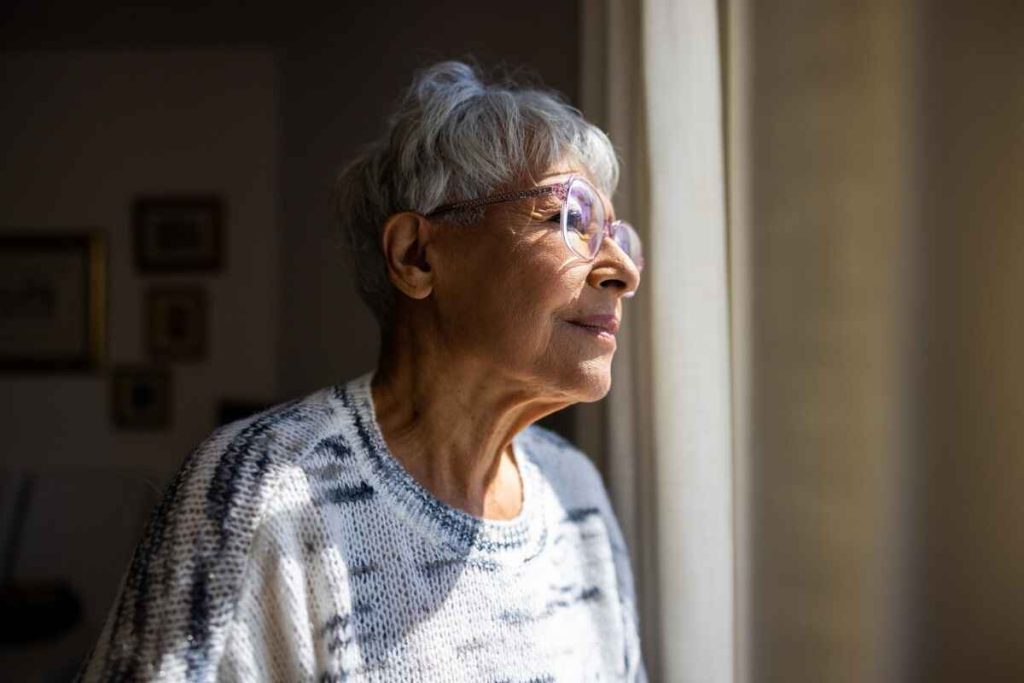
Not dramatically. Not with a movie soundtrack. Just… gone. The person who knew the passwords, the autopays, the “call this guy for the roof leak” contacts, the rhythm of the household that no one notices until it vanishes. After he died, her world shrank—fewer outings, fewer long drives, fewer calls returned. Grief makes people conserve.
And then came the slow creep of something harder to name. Not full-blown confusion at first. Just little slips. Repeating a question. Misplacing mail. A missed medication here and there. Enough that the people near her started quietly adjusting.
She had two adult children. They existed in her life in the way adult children sometimes do: loving, busy, stretched thin, present enough to matter, absent enough to ache. They had jobs, their own families, their own chaos. They checked in. They visited. But not consistently. Not in the way you need when aging stops being theoretical.
So the people who became her “real” support were the ones who were actually there.
A couple of relatives who rotated through with groceries and appointments. Someone who picked up prescriptions when she couldn’t. Someone who would sit for a while, not talking much, just making sure she ate.
And then there was the neighbor next door.
The kind you only get once in a lifetime. He noticed if her porch light didn’t come on. He brought in the trash cans. He asked, gently, if she’d eaten. When she stopped driving, he drove her. When she couldn’t remember a name, he didn’t correct her like a teacher—he followed her lead, stayed kind, stayed calm. He didn’t do it for money. That’s the part that still stings. He did it because he couldn’t stand the idea of someone quietly disappearing in a house full of memories.
If that hits you in the chest, don’t shrug it off. This is exactly the kind of situation where a family’s entire outcome can be shaped by whether the plan is updated while someone is still capable. If you want to learn how to protect your family—and make sure your trust reflects the life you’re actually living now—join the May 6th In-Person Wills, Living Trusts & Asset Protection Seminar. 🚨 VERY LIMITED SEATING:
https://collinslawgroup.com/resources/webinar/
For a long time, nobody talked about the binder.
Because the binder was still there. Still thick. Still official. And that’s the dangerous illusion of an old plan: it looks finished even when reality has changed. Her spouse had predeceased her, but the trust hadn’t been adjusted the way it needed to be. Names that should have shifted didn’t. Roles that should have been re-evaluated weren’t. The world that came after his death wasn’t the world the trust was built for.
Not out of malice.
Out of exhaustion. Out of grief. Out of the normal human belief that there would be time.
There wasn’t.
If you’re reading this thinking, “We’ve been meaning to update ours,” start with education today—privately, no pressure. Watch the seminar On Demand and get the clarity first:
https://zoom.us/rec/play/ib4JGJqmAR0OAewic1paUCjG-6d6oNz1QgABI4djgKALnmzLLSmtaoEIM_zLpgb7JTARVNqBW2aNLVCc.wBaUBbCpUN2Eu-OR?autoplay=true&startTime=1691504775000
When she died, her children came into the house dazed by finality. They walked through the rooms the way people do when they can’t believe a life can be so present and then suddenly… not. They found old photos. Notes in drawers. The indentation on the couch cushion where she always sat.
Then the paperwork started.
Calls to banks. Calls to institutions. Calls to whoever could tell them what to do next.
And when the trust documents were finally pulled out—the thick binder, the respectable folder, the plan that was supposed to make this easier—everyone saw the line that changed the temperature in the room.
A charity got it.
Not them. Not the people caring for her. Not the neighbor. A charity.
It wasn’t that she didn’t love her family. It wasn’t that she didn’t care. It was that the trust had been written for a different season—back when she and her spouse made decisions together, back before her needs changed, back before caregivers and a neighbor became the people who kept her safe.
And here’s the part that breaks people when they understand it:
The trust did exactly what it was designed to do.
It followed instructions.
Not circumstances.
Not gratitude.
Not the relationships that formed later.
Instructions.
If you want to understand why this happens—and how trust administration actually works when someone passes—come to the May 6th seminar. 🚨 VERY LIMITED SEATING:
https://collinslawgroup.com/resources/webinar/
The family members who had been caring for her—doing the unglamorous work of love—received nothing. Not even a reimbursement. Not even a written acknowledgment. The neighbor who lived next door, who had been the difference between isolation and safety, received nothing.
And it’s easy to turn this into a morality tale: “The kids should have been around.” “Someone should have noticed.” “She should have planned better.”
The truth is quieter and more common:
Most estate planning tragedies aren’t caused by bad people. They’re caused by good people who thought they had time.
This is why “On Demand” education matters for families who can’t make it in person: you can start the conversation tonight instead of waiting for the perfect day that never comes. Here’s the On Demand registration/access page as well (great for sharing with siblings):
https://zoom.us/rec/component-page?eagerLoadZvaPages=sidemenu.billing.plan_management&accessLevel=&hasValidToken=false&clusterId=us02&action=play&filePlayId=Rs1bWtfp2kDuAm7dj6KI9lCV4PGVvPSINsjh0T3pR61oBd8nGCvqUG32UPYxS-Fv62eXQYQEbyHeQVm0.7nSjhK5rBjJJcLSe&componentName=recording-register&meetingId=7Bf3hbiE5TE9coo0DNt28cLE4WUvwRhgxwsJCxgefo1_kWZ1wso8J90snz3pwvo_.mnOcXkamQqkf083x&originRequestUrl=https%3A%2F%2Fzoom.us%2Frec%2Fplay%2Fib4JGJqmAR0OAewic1paUCjG-6d6oNz1QgABI4djgKALnmzLLSmtaoEIM_zLpgb7JTARVNqBW2aNLVCc.wBaUBbCpUN2Eu-OR%3Fautoplay%3Dtrue%26startTime%3D1691504775000
People always want to ask, “Who deserved what?”
The real lesson is harder:
A trust is not a monument. It’s a living set of instructions. And it must match the life you are actually living—especially after a spouse dies, after relationships shift, after caregiving becomes real, after the neighbor becomes family in everything but blood.
Because when capacity fades, the window closes. And once it closes, the law doesn’t “guess what you meant.” It obeys what you signed when you still could.
If you want to lock this in the right way—so your plan reflects your reality, and your caregivers aren’t erased by an old document—reserve your seat for May 6th. 🚨 VERY LIMITED SEATING:
https://collinslawgroup.com/resources/webinar/
And if you can’t attend, don’t delay anyway—watch the On Demand seminar tonight. Even if you only watch the first 15 minutes, you’ll walk away with the questions that prevent stories like this from repeating:
https://zoom.us/rec/play/ib4JGJqmAR0OAewic1paUCjG-6d6oNz1QgABI4djgKALnmzLLSmtaoEIM_zLpgb7JTARVNqBW2aNLVCc.wBaUBbCpUN2Eu-OR?autoplay=true&startTime=1691504775000
Finally—because this is the part people never say out loud—if there are caregivers in your life right now, or a neighbor who has become your safety net, don’t “mean to” honor them someday.
Document it while you still can.
Because the trust will not read your heart.
It will read your paperwork.

- The Family Compound Can Become a Family Trap - October 15, 2026
- The Great Wealth Transfer Can Still Become a Family Mistake - October 15, 2026
- The Inheritance Your Children Are Counting On May Not Be There - October 14, 2026
