Estimated read time: ~5 minutes.
The sign above the shop still had his name on it.
That was the first thing Marcus noticed.
Not the invoices on the desk.
Not the delivery truck parked crooked in the back lot.
Not the stack of payroll forms waiting beside the computer.
The sign.
Robertson & Sons.
His father had painted the first version by hand in 1986. Back then, there were no sons working in the business. Just James Robertson, a borrowed truck, a small industrial space near Inglewood, and a wife who answered the phone from their kitchen table while making dinner.
Over time, the business grew.
So did the family.
Marcus swept floors there when he was 12. His sister Denise learned bookkeeping before she had a driver’s license. Their younger brother Andre worked summers, then left for a job in tech and never really came back.
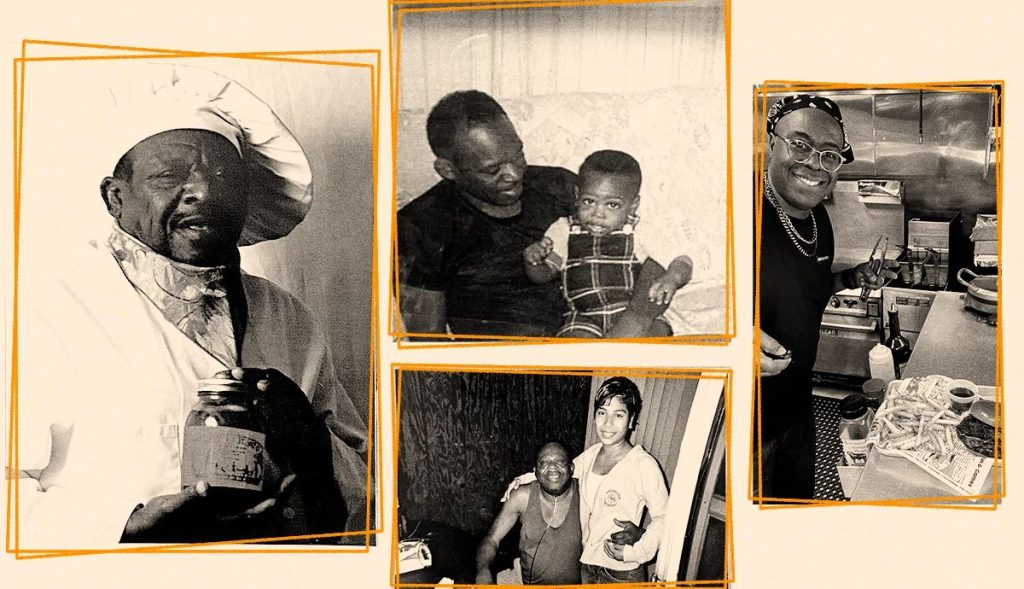
To their father, the business was never just income.
It was proof.
Proof that he had built something.
Proof that the family had options.
Proof that his children would not have to start from nothing.
But now James was 72, walking slower, repeating stories, and quietly avoiding the question everyone else had begun asking.
What happens to the business when Dad cannot run it anymore?
No one wanted to say it that way.
So they softened the language.
“Have you thought about succession?”
“Should we talk about the next phase?”
“Do you want Marcus taking more responsibility?”
James would wave them off.
“We’ll figure it out.”
That was not a plan.
It was a hope.
And hope is a fragile way to protect a family business.
🚨 September 16 Seminar at 10 AM
If your family owns a business, a home, real estate, or assets that need to pass clearly to the next generation, join the September 16th In-Person Wills, Living Trusts & Asset Protection Seminar at 10 AM.
Learn how proper planning can help protect your family, your business, your wishes, and your legacy from unnecessary court involvement and confusion.
Reserve your seat:
https://collinslawgroup.com/webinar/in-person-seminar-wills-living-trusts-asset-protection-september-2026/
Family businesses rarely fail in one dramatic moment.
They fray.
A parent keeps too much information in his head.
One child assumes she will inherit ownership.
Another assumes he will run operations.
A sibling who never worked in the business still expects an equal share.
Employees wonder who is really in charge.
Customers notice tension.
The founder delays the conversation because the conversation feels like an ending.
That was James.
He loved saying the business was “for the kids.”
But he had never clarified what that meant.
Did “for the kids” mean Marcus would run it?
Did it mean all three children would own it equally?
Would Denise be paid for the bookkeeping she had done for years?
Would Andre receive part of the business even though he did not work there?
If Marcus ran the company, would he have to buy out his siblings?
What if one sibling wanted cash and another wanted control?
What if James became incapacitated before the transition happened?
None of those questions were hostile.
They were necessary.
But in families, necessary questions can feel like accusations.
So everyone waited.
And the business kept operating on assumptions.
✅ On Demand (if you can’t attend September 16)
If you cannot attend in person, begin privately with the On Demand seminar and get the estate-planning framework before your family needs it:
https://us02web.zoom.us/rec/component-page?accessLevel=meeting&hasValidToken=false&clusterId=us02&action=play&filePlayId=&componentName=recording-register&meetingId=XPTcTXVr6HZqvalTYKAOmp5z8tHglu0Fs0fhwY4AEHBhCCKOM-GEv824tPV0R5HE.l0Lm6QiHu7VZStYb&originRequestUrl=https%3A%2F%2Fus02web.zoom.us%2Frec%2Fshare%2FnqnetEgO3oOV6iyKwjOo9KFTnWel4xE5YYaDQG5dyTrXXAsAxlTqwJ-TnWjTDoeB.l6NWaas31JJmtNa-
The first crack came on a Tuesday morning.
James forgot to approve payroll.
It was not catastrophic.
Denise caught it.
She always did.
But this time, she did not quietly fix it.
She called Marcus.
Then Andre.
Then her father.
“We need to talk,” she said.
James hated that sentence.
It made him feel old.
It made the children sound like adults.
It made the business feel less like his.
But Denise was careful.
“This isn’t about taking anything from you,” she said. “It’s about making sure what you built survives you.”
That was the sentence that finally landed.
Because James did want it to survive.
He wanted the employees protected.
He wanted the customers served.
He wanted the family name respected.
He wanted Marcus to have a chance to lead.
He wanted Denise to be treated fairly.
He wanted Andre included without giving him authority over a business he did not understand.
He wanted all of that.
He just had not written it down.
🚨 September 16 Seminar at 10 AM
If your estate plan has not been reviewed in years — or if your business, trust, beneficiaries, successor decision-makers, and family instructions have not been coordinated — attend the September 16th seminar at 10 AM.
A family business needs more than goodwill. It needs clear ownership, leadership, instructions, and a plan that protects both the family and the company.
Reserve your seat:
https://collinslawgroup.com/webinar/in-person-seminar-wills-living-trusts-asset-protection-september-2026/
They met on a Saturday at the office.
No employees.
No phones.
Just the family, a pot of coffee, and a whiteboard Marcus had cleaned three times because he was nervous.
For the first time, they separated two questions that had always been tangled together.
Who should own the business?
And who should run it?
Those are not always the same person.
Marcus understood operations.
Denise understood money.
Andre loved the family but not the business.
James realized that leaving ownership equally without explaining control could create conflict. Leaving control to one child without compensating the others could create resentment. Leaving no plan at all could force the business into confusion at the exact moment it needed leadership.
They discussed valuation.
Buyout terms.
Life insurance.
Voting authority.
Successor management.
Trust ownership.
Taxes.
What would happen if James died.
What would happen if he became incapacitated.
What would happen if Marcus wanted to lead and Denise wanted protection for her share.
What would happen if Andre wanted cash instead of ownership.
It was uncomfortable.
Then it was freeing.
Because the family had finally stopped pretending “we’ll figure it out” was love.
Love needed structure.
James later wrote a Letter of Instructions.
He called it “the shop letter.”
It was not fancy.
It said where the corporate documents were kept.
Who to call.
Which accounts existed.
Who handled payroll.
Which customers mattered most.
Which employee had been loyal for 20 years and should not be forgotten.
Why Marcus should run operations.
Why Denise should have financial oversight.
Why Andre should be treated fairly, but not placed in charge of decisions he did not want to make.
And at the bottom, James wrote:
“Do not let the business I built become the reason you stop being family.”
Denise cried when she read it.
Marcus looked at the old sign outside.
Andre, who had always felt guilty for leaving, finally exhaled.
For the first time, the business did not feel like an inheritance problem.
It felt like a legacy with a plan.
✅ On Demand (share with your family)
If your family needs a calm way to begin this conversation, share the On Demand access page and watch together:
https://us02web.zoom.us/rec/component-page?accessLevel=meeting&hasValidToken=false&clusterId=us02&action=play&filePlayId=&componentName=recording-register&meetingId=XPTcTXVr6HZqvalTYKAOmp5z8tHglu0Fs0fhwY4AEHBhCCKOM-GEv824tPV0R5HE.l0Lm6QiHu7VZStYb&originRequestUrl=https%3A%2F%2Fus02web.zoom.us%2Frec%2Fshare%2FnqnetEgO3oOV6iyKwjOo9KFTnWel4xE5YYaDQG5dyTrXXAsAxlTqwJ-TnWjTDoeB.l6NWaas31JJmtNa-
At Collins Law Group, we believe family-business succession is estate planning at its most personal.
It is not only about who receives the shares.
It is about who can lead.
Who can vote.
Who can sell.
Who can buy out whom.
Who protects employees.
Who protects the surviving spouse.
Who protects the children who work in the business and the children who do not.
A strong plan may include a living trust, business succession documents, buy-sell planning, powers of attorney, healthcare directives, beneficiary reviews, insurance coordination, tax planning, and a Letter of Instructions that explains the family meaning behind the legal structure.
Because a business is rarely just a business.
It may be the founder’s identity.
The children’s inheritance.
The employees’ livelihood.
The family’s reputation.
And the bridge between one generation and the next.
Do not leave that bridge unfinished.
🚨 Final September 16 Seminar Nudge
If your family business, home, trust, beneficiaries, ownership plan, or succession instructions have not been reviewed, now is the time to act.
Join Collins Law Group for the September 16th In-Person Wills, Living Trusts & Asset Protection Seminar at 10 AM.
Reserve your seat:
https://collinslawgroup.com/webinar/in-person-seminar-wills-living-trusts-asset-protection-september-2026/

- The Family Compound Can Become a Family Trap - October 15, 2026
- The Great Wealth Transfer Can Still Become a Family Mistake - October 15, 2026
- The Inheritance Your Children Are Counting On May Not Be There - October 14, 2026
