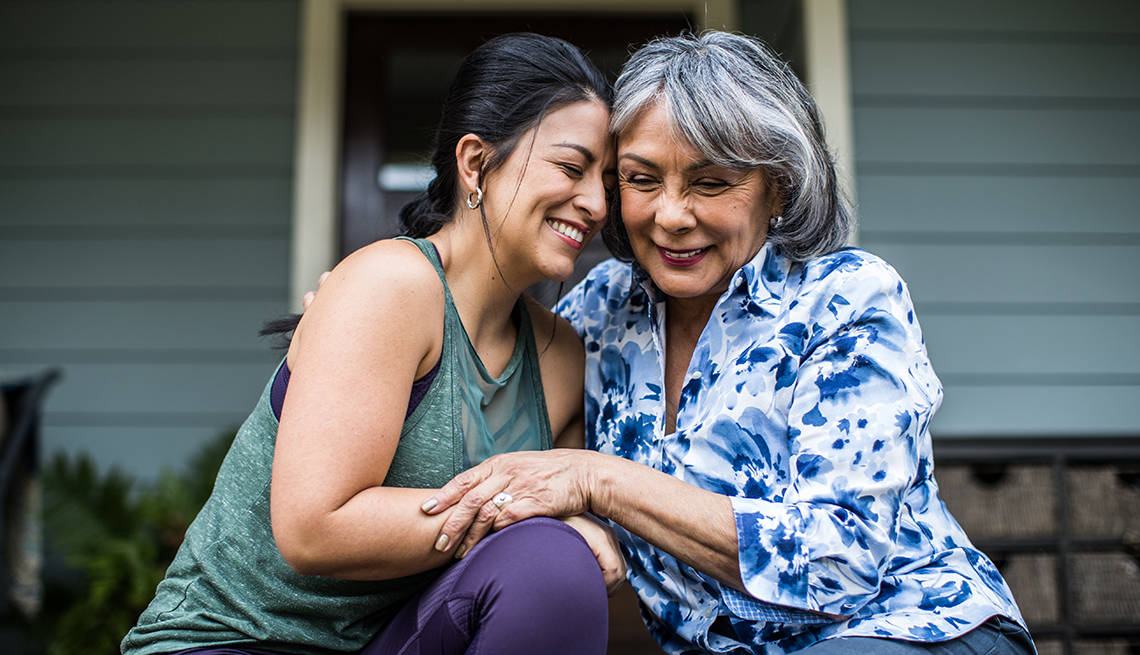
November is National Family Caregivers Awareness Month — a time meant to honor the people who quietly hold entire families together. The daughters who manage pill boxes and power of attorney forms. The sons who rearrange their lives to drive their mothers to chemo. The nieces, grandsons, and neighbors who become full-time caregivers long before anyone calls them that.
But behind that devotion hides a question that too few ever ask:
What happens to the caregiver when the person they cared for is gone?
If you pass away without a will or trust in California, the answer might shock you. Because the law has a plan for your estate — and it doesn’t include love, sacrifice, or the years someone spent by your side. It only sees bloodlines and signatures.
The Cold Machinery of Intestacy
When a person dies without a will, California’s intestate succession laws take over. The court decides who inherits — not you. Property gets distributed by a rigid formula that values legal relationships, not emotional ones.
If you were married, your spouse inherits first. If not, your children do. If you have no children, your parents. Then siblings. Then distant relatives. And if no one can be found, your property “escheats” — meaning it reverts to the State of California.
It sounds orderly. But order has a cost.
When Marcia Thomas of Baldwin Hills lost her aunt, she thought she’d inherit the small home they shared. For ten years, Marcia cared for her aunt through dementia — bathing her, cooking her meals, paying the bills when her aunt’s memory faded. “I wasn’t looking for money,” Marcia says. “I just wanted to keep the house we built a life in.”
But her aunt had never created a will or trust. Under intestate law, the house went to two cousins who hadn’t visited in a decade. Within three months, Marcia had to pack her things and move out. “It was like the state erased me,” she says. “I was family in every way but the one that counted.”
To understand how to keep the state from deciding for you, join us this Thursday, November 13th at 10:00 AM at the Collins Law Group Office for our free seminar,
Wills, Living Trusts, and Asset Protection.
Reserve Your Seat Here
The Hidden Cost of “Orderly”
Intestacy law feels clinical because it is. The probate court doesn’t ask who was there at the end or who made the sacrifices that allowed a loved one to die at home instead of alone in a facility. It only asks: Are you a legal heir?
When Robert and Angela King of Culver City died within a year of each other, their caregiver — their daughter-in-law, Tamara — discovered just how impersonal the process can be. “I’d taken care of them for six years. Moved in, handled their doctors, even planned the funeral,” Tamara says. “But because their will hadn’t been updated since 2001, the estate went to a distant relative. I wasn’t even allowed to keep their wedding photos.”
The Kings’ story is heartbreakingly common. Probate can take months or years. Everything becomes part of the public record — from bank balances to who received the car, the house, the ring. Without a plan, every decision becomes an argument, every memory a bargaining chip.
At the November 13th seminar, Attorney Caprice Collins will share real examples of caregivers left out of estates they devoted their lives to managing — and how a properly designed Living Trust could have preserved their homes, their dignity, and the legacies they worked so hard to honor.
Click to Register for the Free Seminar
When “Family” Means More Than Blood
The law doesn’t recognize love, loyalty, or lived relationships — but your estate plan can.
For Cynthia and Leonard Brown of Inglewood, that realization came just in time. When Leonard was diagnosed with early-onset Alzheimer’s, Cynthia stepped into the caregiver role overnight. “I didn’t want to think about wills or trusts,” she recalls. “I just wanted him comfortable.”
But after attending a Collins Law Group seminar, Cynthia learned that if she passed first — and Leonard couldn’t make legal decisions — their assets would be frozen, their accounts locked, and their adult children forced into court just to access funds for care. “That scared me,” she says. “I’d already seen how hard it was for families without a plan.”
Cynthia and Leonard worked with Attorney Collins to create a Living Trust, Powers of Attorney, and Advance Health Care Directives. When Leonard passed two years later, the transition was smooth, private, and free from probate. “We could focus on remembering him,” Cynthia says. “Not fighting over paperwork.”
Their story is what National Family Caregivers Month is all about — turning love into structure, and caregiving into legacy.
Why Planning Protects the Ones Who Care for You
A proper estate plan doesn’t just divide assets. It tells a story — your story. It names the people who were there, honors the hands that fed you, and preserves the relationships that matter most.
A Will ensures your wishes are clear.
A Living Trust keeps your estate out of probate and private.
Powers of Attorney give authority to someone you trust when you can’t act for yourself.
And Health Care Directives let your caregivers speak for you with confidence.
Together, they create peace — not just for your heirs, but for the ones who carried you through the hardest seasons.
❤️ This November, let’s give caregivers more than gratitude.
Let’s give them protection. Join us for our November 13th In-Person Seminar at the Collins Law Group Office, and learn how to take control of your legacy before the state takes control for you.
Limited SEATING!! Save Your Spot Now!
Bottom Line:
Dying without a plan means handing your story over to a system that never knew you. The courts won’t remember who showed up in the middle of the night, who made the meals, who whispered “I’ll take care of it.” But your plan can.

- The Asset They Forgot - August 12, 2026
- Your Trust Can Be Perfect and Your Family Can Still Panic - June 10, 2026
- Father’s Day Wisdom: If You Can’t Speak, The System Speaks For You - June 8, 2026
