Malcolm-Jamal Warner’s Unfinished Plan
Estimated read time: ~5 minutes.
Malcolm-Jamal Warner was a familiar face long before most Americans knew anything about his estate.
To generations of viewers, he was Theo Huxtable — the son on the couch, the boy growing up on television, the young actor who became part of the country’s living room.
Later, he became much more than that.
An actor.
A director.
A musician.
A husband.
A father.
And then, suddenly, a man whose private estate plan became public in the most painful way possible.
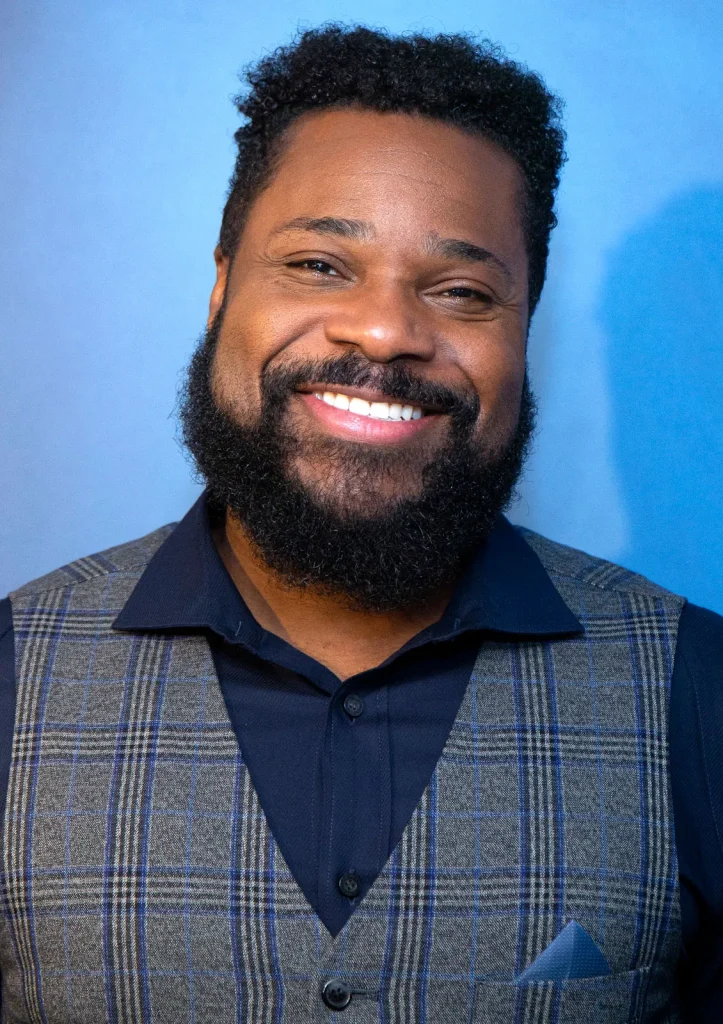
Warner died unexpectedly in July 2025 while vacationing with his family in Costa Rica. He was 54. He left behind a widow, Tenisha Warner, and their young daughter, MacKenzie.
A year later, the grief had not stayed private.
Reports say Tenisha Warner filed legal action involving Malcolm-Jamal Warner’s mother, Pamela Warner, who is serving as successor trustee of the Warner Family Trust. The dispute reportedly involves more than $1.2 million that Tenisha claims is owed under a premarital agreement and related obligations.
But beneath the legal filings is a deeper estate-planning lesson.
The Warner Family Trust was reportedly created in 1996.
That was long before his marriage.
Long before his daughter.
Long before the family he left behind existed in the form it did at his death.
And that is the heartbreaking point.
A plan can be valid.
A plan can be real.
A plan can be sitting exactly where it is supposed to sit.
But if it belongs to an earlier version of your life, it may not protect the people standing in your life today.
🚨 August 5 Seminar (VERY LIMITED SEATING)
If your estate plan was created before a marriage, child, divorce, death, new asset, or major family change, join the August 5th In-Person Wills, Living Trusts & Asset Protection Seminar.
🚨 VERY LIMITED SEATING:
https://collinslawgroup.com/webinar/in-person-seminar-wills-living-trusts-asset-protection-august-2026/
That is what makes the Malcolm-Jamal Warner story so powerful.
It is not simply about celebrity.
It is about timing.
A trust created when someone is 26 may make perfect sense at 26.
At that age, a person may name parents, siblings, or other relatives. They may not yet have a spouse. They may not yet have children. They may not own the same assets. They may not have made the same promises. They may not know what their life will become.
Then life happens.
Marriage.
A child.
A home.
New responsibilities.
New financial obligations.
New people who depend on you.
If the estate plan does not change with those life events, the old plan may still speak when you no longer would.
That is the danger.
Not that Malcolm-Jamal Warner failed to love his wife or daughter.
Not that his mother failed to grieve him.
Not that a family wanted conflict.
The danger is that documents created decades earlier can place grieving people in opposing legal positions.
A widow may be forced to prove what she believes was promised.
A mother may be forced to act as trustee while mourning her son.
A child may become the emotional center of a dispute she is too young to understand.
That is not just paperwork.
That is family pain.
✅ On Demand (if you can’t attend August 5)
If you cannot attend in person, begin privately with the On Demand seminar and get the estate-planning framework before your family needs it:
https://us02web.zoom.us/rec/component-page?accessLevel=meeting&hasValidToken=false&clusterId=us02&action=play&filePlayId=&componentName=recording-register&meetingId=XPTcTXVr6HZqvalTYKAOmp5z8tHglu0Fs0fhwY4AEHBhCCKOM-GEv824tPV0R5HE.l0Lm6QiHu7VZStYb&originRequestUrl=https%3A%2F%2Fus02web.zoom.us%2Frec%2Fshare%2FnqnetEgO3oOV6iyKwjOo9KFTnWel4xE5YYaDQG5dyTrXXAsAxlTqwJ-TnWjTDoeB.l6NWaas31JJmtNa-
In interviews, Tenisha Warner has spoken about the enormity of losing her husband and raising their daughter without him.
That grief would be enough.
But now, according to reports, the family is also dealing with allegations involving a premarital agreement, life insurance obligations, trust administration, and whether the estate plan reflected Warner’s actual family life at the time of his death.
That is where many families should pause.
Because the details may involve a celebrity, but the pattern is painfully ordinary.
Someone creates a trust years ago.
They mean to update it.
They plan to review it after the wedding.
After the baby.
After the new house.
After the next project.
After life slows down.
But life does not always slow down.
And sometimes the plan waiting to be updated becomes the plan the family is stuck with.
This is why estate planning is not a one-time event.
A trust should be reviewed after marriage.
After divorce.
After the birth or adoption of a child.
After the death of a named trustee or beneficiary.
After a major new asset.
After a business change.
After a premarital agreement.
After any moment that changes who depends on you.
Because the question is not simply, “Do you have a trust?”
The question is:
Does the trust know who your family is now?
🚨 August 5 Seminar (VERY LIMITED SEATING)
If your trust has not been reviewed after marriage, divorce, a new child, a death in the family, or a major life change, attend the August 5th seminar and learn how clear planning protects the people you love.
🚨 VERY LIMITED SEATING:
https://collinslawgroup.com/webinar/in-person-seminar-wills-living-trusts-asset-protection-august-2026/
The most painful part of stories like this is that everyone may be acting from love.
A widow may be trying to protect her child.
A mother may be trying to honor her son’s written trust.
A trustee may be trying to follow legal duties.
A family may be trying to interpret a man’s intentions through documents created long before his final chapter.
But grief is a terrible translator.
It turns silence into suspicion.
It turns outdated language into accusation.
It turns missing updates into courtroom arguments.
That is why coordination matters.
If there is a premarital agreement, the estate plan should reflect it.
If there is supposed to be life insurance, the policy should exist, the beneficiary should be correct, and the obligation should be documented.
If a spouse and child are meant to be protected, the trust, beneficiary designations, retirement accounts, insurance policies, and instructions should all speak the same language.
If a parent is named as trustee, the family should consider whether that choice still makes sense after marriage and children.
If the plan is old, it should not be treated as finished simply because it exists.
A stale plan can be almost as dangerous as no plan.
Because it gives the family confidence until the moment confidence collapses.
A Letter of Instructions could not replace Malcolm-Jamal Warner’s trust.
It could not override a premarital agreement.
It could not rewrite beneficiary designations.
But in many families, a clear written explanation can reduce the places where doubt grows.
It can say:
Here is who depends on me.
Here is what I want for my spouse.
Here is what I want for my child.
Here is why I chose this trustee.
Here is how my premarital agreement connects to my estate plan.
Here is what insurance exists.
Here is what must be paid.
Here is what I do not want my family fighting over.
That kind of letter is not just practical.
It is an act of care.
Because after death, the people left behind are not reading documents in a conference room.
They are reading them through tears.
They are reading them at kitchen tables.
They are reading them while children sleep in the next room.
They are reading them while trying to understand whether the person they loved remembered to protect them.
✅ On Demand (share with your family)
If your family needs a calm way to begin this conversation, share the On Demand access page and watch together:
https://us02web.zoom.us/rec/component-page?accessLevel=meeting&hasValidToken=false&clusterId=us02&action=play&filePlayId=&componentName=recording-register&meetingId=XPTcTXVr6HZqvalTYKAOmp5z8tHglu0Fs0fhwY4AEHBhCCKOM-GEv824tPV0R5HE.l0Lm6QiHu7VZStYb&originRequestUrl=https%3A%2F%2Fus02web.zoom.us%2Frec%2Fshare%2FnqnetEgO3oOV6iyKwjOo9KFTnWel4xE5YYaDQG5dyTrXXAsAxlTqwJ-TnWjTDoeB.l6NWaas31JJmtNa-
Malcolm-Jamal Warner’s story is heartbreaking because it involves a public figure many people felt they knew.
But the lesson is private.
Deeply private.
It belongs to every spouse who assumes they are protected.
Every parent who created a trust before having children.
Every adult child who believes “Mom handled it.”
Every family where an old document may no longer match a current life.
At Collins Law Group, we believe estate plans should grow with the families they are meant to protect.
A trust from 1996 may not reflect a marriage in 2022.
A beneficiary form from one chapter may not protect the people in the next.
A trustee choice made decades ago may create tension after life changes.
And a plan someone meant to finish may become the plan a family has to fight over.
Legacy is not what you intended someday.
It is what your documents actually do when your family needs them.
🚨 Final August 5 Seminar Nudge (VERY LIMITED SEATING)
If your estate plan was created before a marriage, child, divorce, death, new asset, premarital agreement, or major family change, now is the time to review it.
Do not leave your spouse, children, parents, or trustee to sort out your intentions after the fact.
Reserve your seat for August 5 now.
🚨 VERY LIMITED SEATING:
https://collinslawgroup.com/webinar/in-person-seminar-wills-living-trusts-asset-protection-august-2026/

- The Family Compound Can Become a Family Trap - October 15, 2026
- The Great Wealth Transfer Can Still Become a Family Mistake - October 15, 2026
- The Inheritance Your Children Are Counting On May Not Be There - October 14, 2026
